Offshore production environments are heavily influenced by accessibility constraints, primarily driven by weather conditions, sea states, vessel limitations, and helideck availability. For maintenance and operations teams, platform accessibility is a fundamental prerequisite for executing Preventive Maintenance (PM), Corrective Maintenance (CM), and Safety-Critical Element (SCE) interventions. Any disruption in access directly translates into deferred work, elevated operational risks, and potential production losses.
As a Senior Maintenance Engineer with responsibilities spanning maintenance execution, project coordination, and offshore operations interface, I consistently see how access limitations create bottlenecks in our maintenance workflow. Daily execution windows depend on variables such as HS (Height of Sea), wind speed, lightning, rainfall intensity, vessel landing limits, and helicopter operational envelopes. Even minor deviations from operating criteria can halt logistics, manpower deployment, and critical task execution.
Under normal conditions, crew transfer is facilitated through boat landing (B/L) and limited helicopter flights. However, during monsoon periods and adverse weather, both options become operationally constrained. Helicopter operations are suspended due to thunderstorm activity, visibility limitations, and high wind shear. Boat landings become unsafe due to increased swell height, wave slamming, dynamic deck movement, and B/L water level variations. These conditions severely limit our response capability for SCE impairments, process upsets, and production-critical failures.
In such scenarios, the Motion-Compensated Gangway (MCG) becomes the only viable access method. However, legacy platforms present challenges: varying deck elevations, congested topsides, aging handrails, and non-standard landing interface points. Traditional gangway connections require stepping over handrails and negotiating uneven interfaces—introducing significant safety risks to our frontliners. Despite their expertise, relying on personnel adaptation is not a sustainable or safe long-term solution.
These operational realities led us to conceptualize a standardized, engineered MCG access solution applicable across 200+ offshore platforms, many of which are aging brownfield facilities. The initiative required comprehensive technical studies, considering:
-
Structural integrity assessments of existing handrails and landing points
-
Dynamic loading during gangway connection and personnel transfer
-
Long-term MCG technology trends for future compatibility
-
Integration with existing marine, logistics, and operational procedures
-
SCE maintenance requirements and allowable periods of impairment
-
Business continuity, production reliability, and risk reduction impacts
Initial field trials using temporary access gates were conducted during both fair and adverse weather conditions. These trials validated our assumptions and demonstrated measurable benefits—improved access readiness, reduced deferment risk, and timely execution of SCE PM activities during critical weather windows. Several process upsets were mitigated due to improved accessibility, reinforcing the engineering value of the initiative.
To drive this forward, we established a multi-disciplinary project team comprising Operations, Maintenance, Projects, Marine Logistics, Structural Integrity, and Brownfield Execution. Each discipline provided functional requirements that were consolidated into a unified technical solution. I led the maintenance interface, ensuring that design specifications aligned with execution practicality, platform constraints, and long-term maintenance strategies.
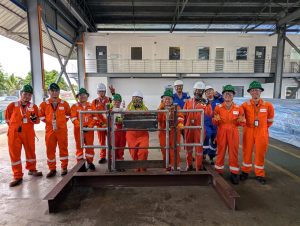
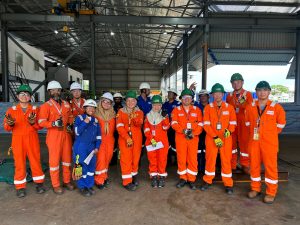
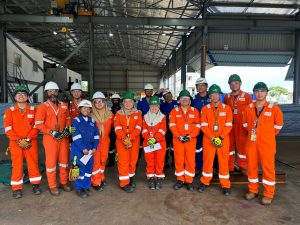
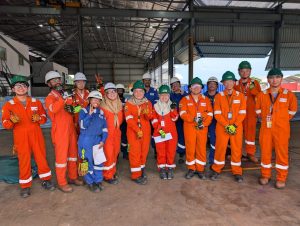
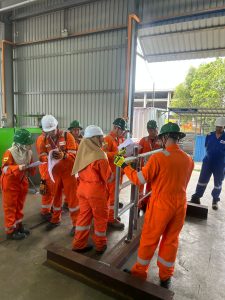
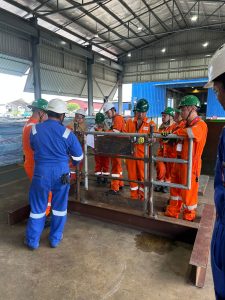
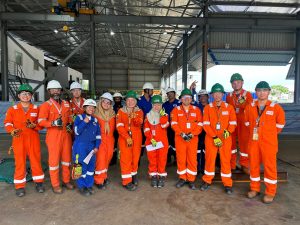
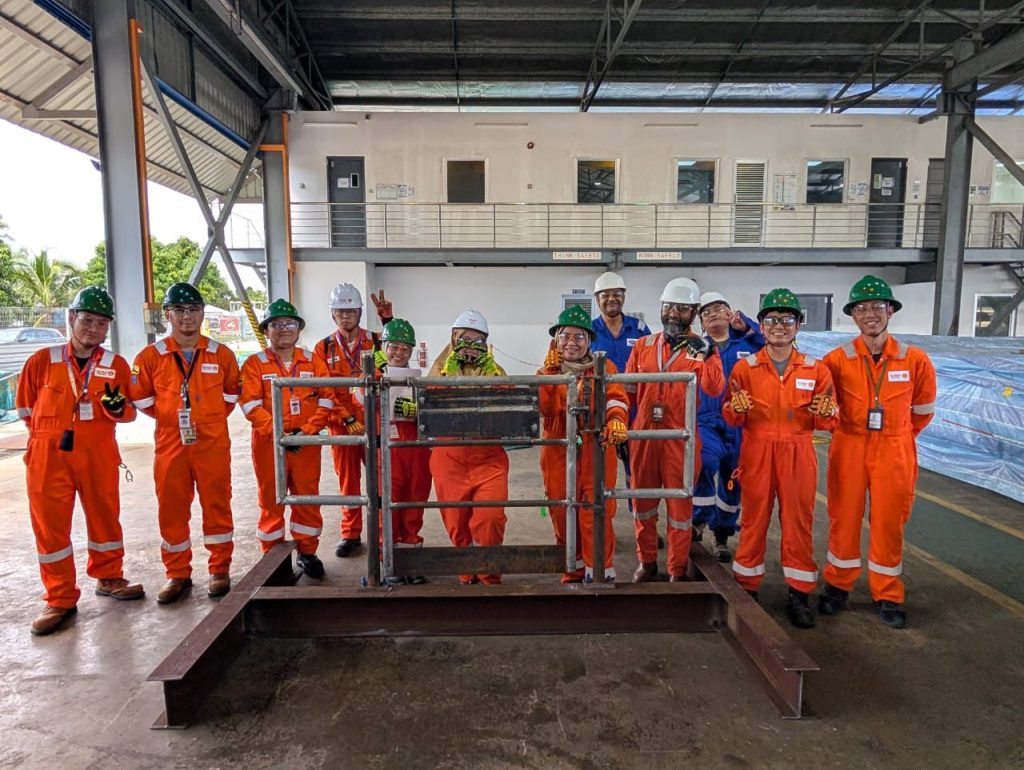
A full-scale offshore mock-up session was executed with structural, maintenance, and project teams to verify installation methodology, access ergonomics, lifting considerations, and constructability. Minor design improvements were identified, and the engineering drawings were revised accordingly. The final scope includes the installation of 300+ standardized access gates across the asset.
The project rollout is structured by criticality:
-
Phase 1: High-production “Gold” platforms with major SCE exposure
-
Phase 2: “Silver” platforms with moderate criticality
-
Phase 3: “Bronze” platforms with lower operational impact
This initiative is expected to significantly enhance maintenance continuity, operational reliability, and response capability during weather-affected periods, while providing a safer and more controlled work environment for offshore personnel.
I’m proud to be part of this high-value technical initiative, which will play a key role in improving asset performance, reducing production vulnerability, and strengthening safety across our offshore operations.